When I interviewed for Master Gardeners back in October last year, one of the questions that Mayre Hammond, my interviewer, asked me was “Why did I want to be a Master Gardener?” This got us onto the topic of what is it about gardening that draws us in? I forget what my answer was, but I think it had to have something to do with interacting with the natural world, something that is real. Something that is not a “story” – a fiction as Yuval Harari defines it, invented and shared by humans. My garden is something that will live on after I’m gone that I can leave to my family, or failing that, whoever buys the house after us.
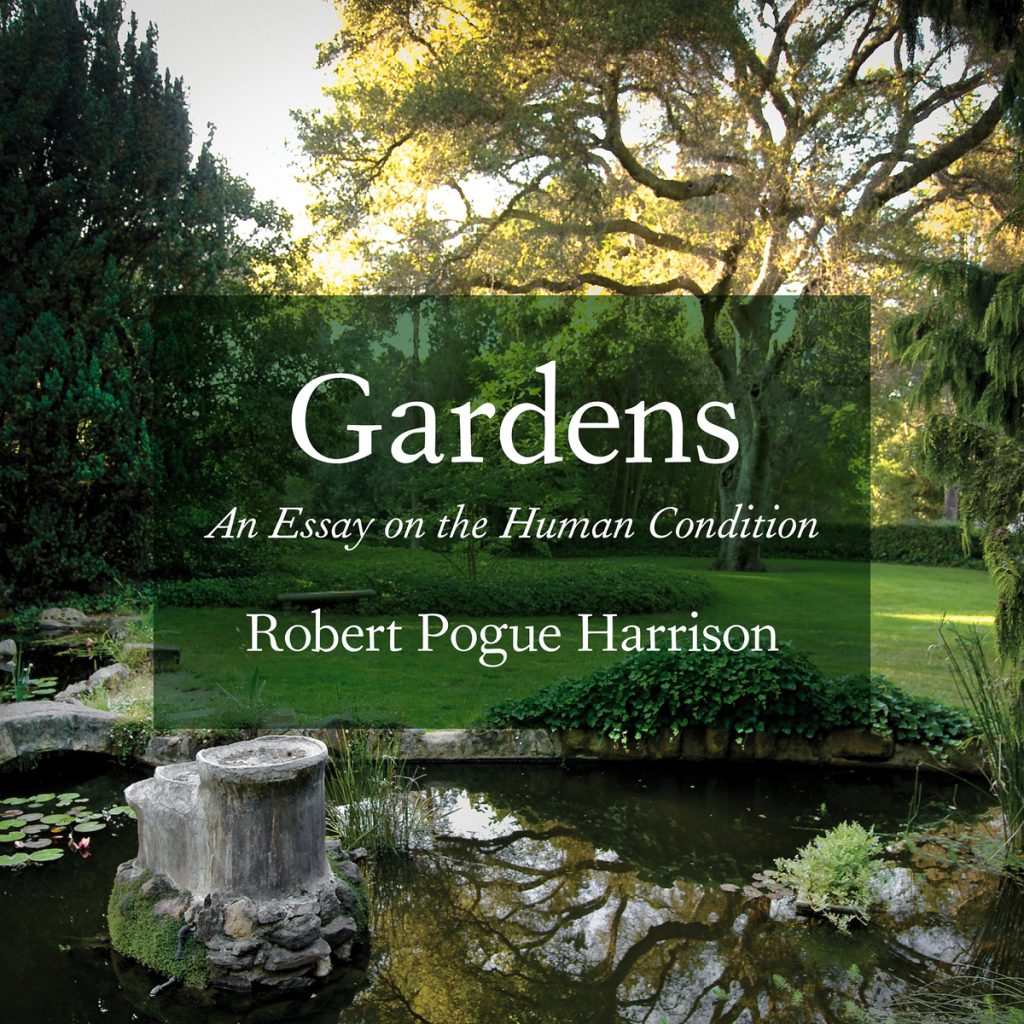
I’ve been reading the book “Gardens: An Essay on the Human Condition” by Robert Pogue Harrison. It was in the pop-up gift shop at the Boston MFA for the “Framing Nature: Gardens and Imagination” exhibit when we visited last month. The book is quite a mind opener. In the first chapter alone, Pogue explores garden myths including Eden (from Genesis), Calypso’s island of Ogygia (from Homers Odyssey), and the Garden of the Gods (in Gilgamesh). Pogue makes the point that none of these gardens satisfy their human visitors; they lack the thing that mankind wants: to have something to work and care for. It is Eve who realizing that she is unfulfilled precipitates the expulsion from the garden. A garden that you don’t have a hand in can be admired (or critiqued), but does not have the depth that comes from having cultivated it yourself. Christopher Lloyd, the owner and creator of the gardens at Great Dixter, distrusted rigid, “paint-by-numbers” landscapes. To him, hiring a landscaper to design a garden meant sacrificing the authentic, messy joy of gardening for oneself.
Pogue addresses the question of where did gardens come from? Was it for pleasure or for beauty? The conventional wisdom is that gardening for food came first, but Pogue suggests the opposite, that mankind cultivated gardens for the sheer aesthetic pleasure that they give us. He notes that the relationship of the observer to them is always changing: the vistas it presents, the seasons, time of day, weather, light, wind, and the frame of mind of the observers themselves. He distinguishes gardens from the creative arts, recognizing that although some gardens may last more than a lifetime, they are not forever. I think this may explain why gardeners are always wanting to give away plants.
Although I enjoyed the book, I felt a little let down, when in chapter five, titled “Mon Jardin à Moi” Pogue admits that he doesn’t actually tend a garden of his own. He writes that what he calls his garden is a figure of speech for his reflections. From this point on, the book goes hard into philosophy, starting with the Greek academies of Socrates, Plato, and Epicurus. He describes how cultural ideas, as well as garden design, changed over time. We learn about Dante’s Divine Comedy and how the earthly Garden of Eden sits atop Mount Purgatory preparing the soul to ascend to the celestial sphere of Paradise. He has nothing good to say about the gardens at Versailles, noting that they demonstrate huma/nity’s urge to dominate nature. I was hoping that from there he would have something insightful to say about ecofriendly gardens and the native plant movement, but he doesn’t. Because he’s not really a gardener, is he?